Property Review and Portfolio Analysis
Illustrative concepts for document review, market comparison, and property-workflow support—not automated valuation.
The Property Information Challenge
Property decisions draw on contracts, listings, maintenance records, market comparisons, and local rules that require current evidence and professional judgment.
Human-Supervised Property Analysis
This concept organizes selected records and comparison questions for property professionals. It does not value property, set prices, select tenants, or make investment decisions.
Document Review
Organize leases, reports, and selected clauses for professional review.
Comparable Evidence
Present source-linked comparison inputs without declaring a valuation.
Maintenance Triage
Group requests for staff to prioritize and assign.
Portfolio Questions
Draft review prompts around occupancy, costs, and assumptions.
Illustrative Property Review Workspace
Static concept image · no live listings or valuations
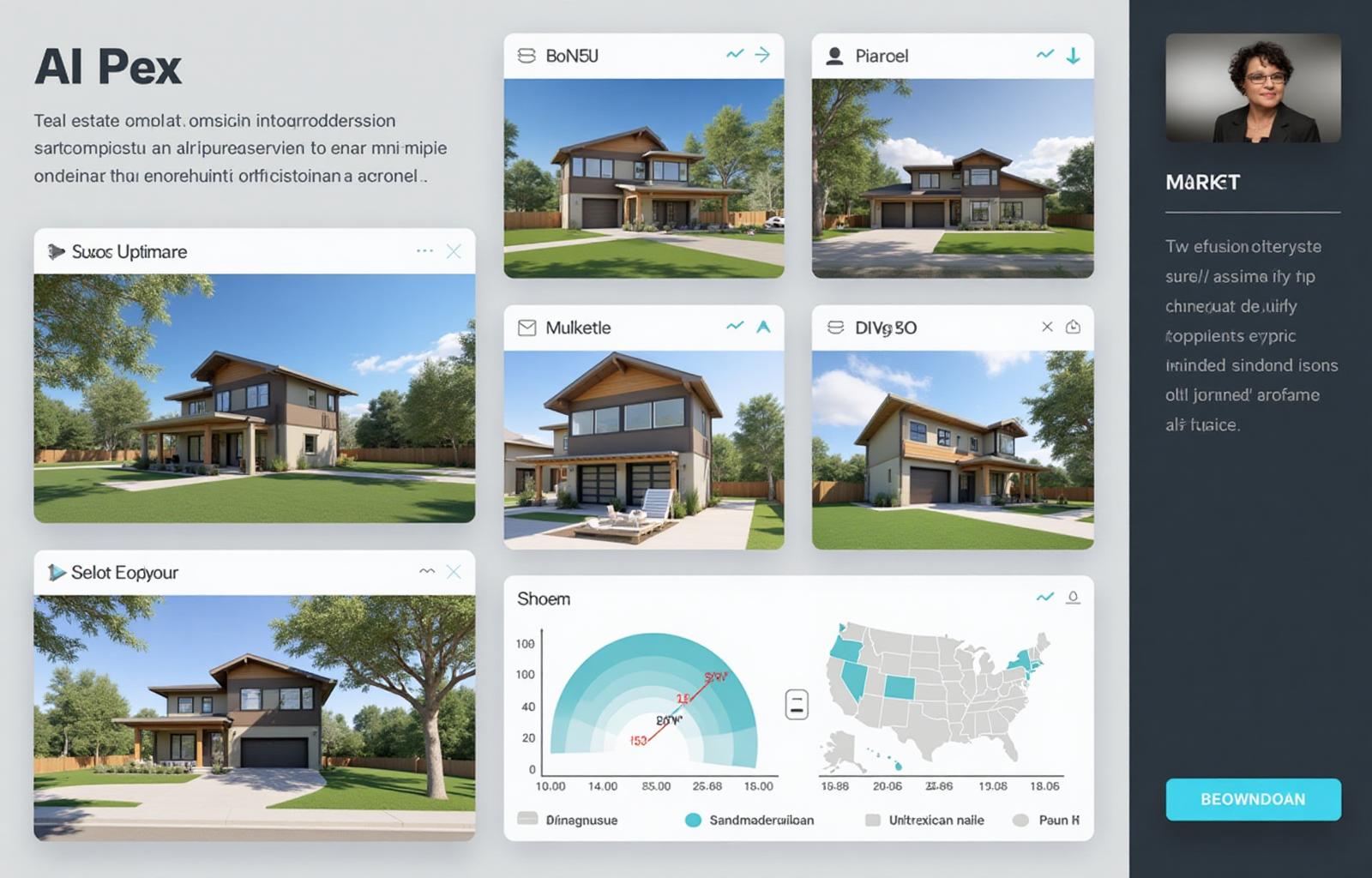
The image shows a possible evidence and review layout. It is nonfunctional and does not access listings, calculate property values, manage tenants, or transact.
What the Illustrative Scenario Explores
Document Provenance
Keep dates and source references visible.
Professional Review
Require appropriate legal, valuation, or property expertise.
Assumption Tracking
Record which comparisons and constraints informed a discussion.
Approval Boundaries
Separate suggestions from authorized property decisions.
Controls to Define Before Implementation
These are design considerations, not claims that a system is secure, compliant, fair, or fully explainable.
Review Records
Define what sources, changes, approvals, and exceptions should be logged.
Human Authority
Assign qualified people to validate outputs and approve consequential actions.
Context-Specific Assessment
Evaluate privacy, security, bias, accessibility, and regulatory duties for the real use case.
UAE Context

This scenario uses regional language and operating context. It is a design example with no official or operational status.
Human Responsibility
Software may organize information or draft options. Accountable people must verify evidence, apply professional judgment, and decide what happens next.